|
Phiman Chakri Hall |
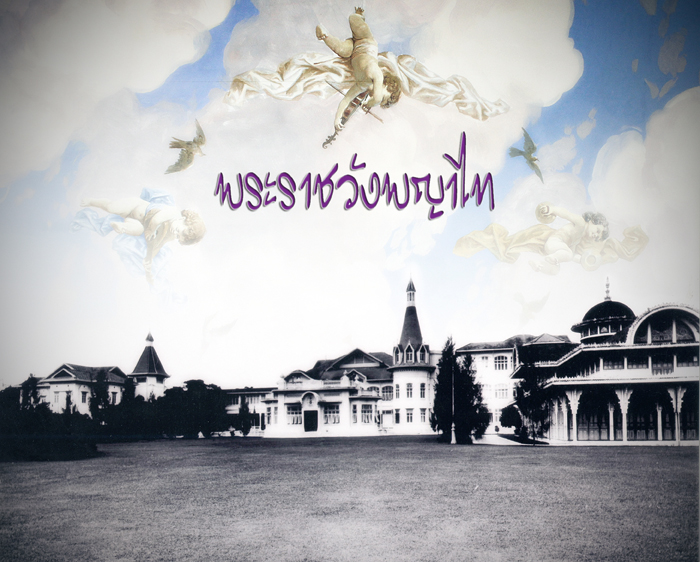
A Royal Residence Phya Thai Residence was built in 1909 to accommodate the King when he came to relax at the farm. When the construction was completed, a house-warming ceremony was held on May 14-15, 1910. After that, the King came to Phya Thai Residence more often. The last time he came was on October 16, 1910, only one week before he passed away. Grieving over the loss of her husband, Queen Siphatcharin became ill. Her health deteriorated to such an extent that King Vajiravudh became greatly concerned. He suggested that she move from thegrand Palace to Phya Thai Residence for a change of atmosphere,. Besides, it would be convenient for her doctors and her relatives to visit her there. So the Queen Mother went to live at phya Thai Residence together with her close relatives, including her brother Prince Svasti Vadhanavisit and hit daughter Princess Rambhai Barni, her PhyaThai Palace stepdaughter Princess Valai Alongkorn, and her grandson Prince Chula Chakabongse. She had the pavilion, which was across from the royal residence, remodeled to accommodate Prince Svasti. The palace during the last ten years of the Queen's life was a lively place. It was said that there were at least 150 people in her court. All of them, whether they were members of the royal family, personal attendants, female guards, or court officials, were given a salary, an annuity, and accommodations. as well as food and clothing according to their rank and status. When his mother passed away in 1919, King Vajiravudh planned to build a new palace for himself. He bestowed royal status on Phya Thai Palace in honor of his parents, and it was thereafter called Phya Thai Palace. |
|
ประวัติพระราชวัง |
โรงนา ย้อนกลับไปประมาณ 100 ปี ถนนราชวิถีเป็นเพียงถนนสายสั้นๆ เริ่มต้นที่ริมแม่น้ำเจ้าพระยามาสุดที่ด้านหลังพระราชวังสวนดุสิต พระบาทสมเด็จพระจุลจอมเกล้าเจ้าอยู่หัว พระราชทานชื่อถนนสายนี้ว่า ถนนซางฮี้ (ปัจจุบันมักเรียกว่า ซังฮี้) อันเป็นคำมงคลของจีน มีความหมายว่า “ยินดีอย่างยิ่ง” ต่อมาได้รับพระราชทานชื่อใหม่ว่า ถนนราชวิถี ในรัชสมัยพระบาทสมเด็จพระมงกุฎเกล้าเจ้าอยู่หัว ปลายถนน ซางฮี้ ตอนตัดใหม่ๆ นั้นเป็นสวนผักและไร่นา มีคลองสามเสนไหลผ่าน พื้นที่ยังโล่ง กว้าง อากาศโปร่งสบาย เป็นที่ต้องพระราชอัธยาศัยพระบาทสมเด็จพระจุลจอมเกล้าเจ้าอยู่หัวอย่างมาก ได้โปรดเกล้าฯ ให้ซื้อที่ดินประมาณ 100 ไร่ เศษ จากชาวนาชาวสวนบริเวณนั้น เพื่อใช้ทดลองปลูกธัญพืช และเป็นที่ประทับพักผ่อนพระราชอิริยาบท โรงเรือนหลังแรกที่โปรดเกล้าฯ ให้สร้าง ณ ที่นี้ คือ โรง และได้พระราชทานนามว่า โรงนาหลวงคลองพญาไท พระราชวังพญาไท พร้อมกับโปรดเกล้าให้ย้ายพิธีจรดพระนังคัลแรกนาขวัญ ที่เคยประกอบที่ทุ่งพระเมรุ (ท้องสนามหลวง) มาจัดที่ทุ่งพญาไท |
Payathai Palace, Phyathai Palace, Phrayathai Palace, Prayathai Palace, Pyathai Palace, Payatai Palace, Bayadai Palace, Payathai, Phyathai, Phrayathai ,Prayathai, Pyathai, Payatai, Bayadai, วังพยาไท, วังพระยาไทย, วังพระยาไท, พระราชวังพระยาไทย, พระราชวังพระยาไท, พระราชวังพยาไท, พระราชวังพญาไทย, พระมหาราชวังพญาไท, วังพญาไธ, พระราชวังพญาไธ, โฮเต็ลพญาไท, โฮเต็ลพระยาไท, โฮเต็ลรัชกาลที่ 6, พระมงกุฎเกล้า, พระมงกุฏเกล้า, มหาวชิราวุธ, พระมหาธีรราชเจ้า, พระธีรราชเจ้า, สมเด็จพระมหาธีรราชเจ้า, สมเด็จพระธีรราชเจ้า, พระมหาธีระราชเจ้า, รามาธิบดี, ราม ร., รัชกาลที่หก, รัชกาลที่ ๖, รัชกาลที่ 6, ร.ร.๖, ร.ร.6, ว.ป.ร., ไวกูณฐเทพยสถาน, ไวกูนเทพสถาน, ไวกูณฐ์เทพย์สถาน, ไวกูณฐ์เทพยสถาน, ไวกูนเทพยสถาน, พิมานจักรี, พิมานจักกรี, ศรีสุทธนิวาส, ศรีสุทธนิวาศ, ศรีสุทธ์นิวาศ, ศรีสุทธินิวาส, เทวราชสภารมย์, เทวราชสภารมณ์, อุดมวนาภรณ์, อุดมวราภรณ์, อุดมวนาพร, อุดมวนาภร, เมขลารูจี, เมขลารุจี, เมฆขลารูจี, เมฆขลารุจี, ท้าวหิรัญพนาสูร, ท้าวหิรันยพนาสูร, ท้าวหิรัญพนาสูรย์, ท้าวหิรัญพนาสูรณ์, ท้าวหิรัญฮู, ท้าวหิรันย์ฮู, ท้าวหิรัญอสูร, หิรันยอสูร, ท้าว, ฮู, Vajiravudh, Vachiravuth, Vajiravuth, Vachiravudh, Vajiravud, Vajiravut, Wajirawut, Wachirawut, Mongkut, Klao, Mongkutklao, Monggutglao, Monggut, Glao, Mongkut, Glao, Mongkut, Khao, Rama, VI, Rama, the, 6th, Rama, 6th, Bejaratana, Benjaratana, Petcharat, Phetcharat, Suvadhana, Suvatana, Suwattana, Suvadana, Indrasaktisachi, Intarasaksajee, Intrasaktisaji, Hotelphyathai, HotelPhayathai |
King Vajiravudh of Thailand, who ruled as Rama VI from 1910 to 1925. is remembered for many notable achievements.The first Thai monarch to be educated abroad, he continued the many reforms that had been launched during the long reign of his father, King Chulalongkorn, and added more of his own, he established the first Thai university; introduced the use of surnames, instilled a new sense of nationalism in his subjects and gave them a new flag, the one that still flies today. Moreover he was a prolific writer, whose range encompassed poetry, drama, translations of Shakespeare, patriotic songs and journalism, The idea may have originated as far back as 1905, when he was Crown Prince and living at Chitralada Palace, there he refashioned several rooms to form a setting in which he experimented with different forms of provincial administration. In 1918, on holiday at a seaside retreat near Phetchaburi that he called Haad Chao Samran -· the "Beach of the Lord of Happiness" he and a group of friends passed the time by constructing elaborate sand castles. enjoying it so much that they conceived the idea of doing something similar back in Bangkok in a much more sophisticated and permanent form. PhyaThai Palace
ดุสิตธานี เขียนโดย วิลเลี่ยม วอร์เรน*
พระบาทสมเด็จพระมงกุฎเกล้าเจ้าอยู่หัว รัชกาลที่ ๖ ครองราชย์เพียง ๑๕ ปี (พ.ศ. ๒๔๕๓-๒๔๖๘) ในช่วงเวลาอันสั้นนี้ พระองค์ทรงทำคุณประโยชน์ในด้านต่างๆให้เเก่ประเทศอย่างใหญ่หลวง ทรงเป็นพระมหากษัตริย์ไทยพระองค์แรกที่ได้เสด็จไปศึกษาต่างประเทศ เมื่อเสด็จขึ้นครองราชย์ ทรงสืบทอดพระราชภาระกิจต่อจากพระบรมราชชนกผู้ทรงอยู่ในราชสมบัติยาวนาน อีกทั้งพระราชกรณียกิจอันเป็นพระราชดำริในพระองค์อีกมากมาย พระบาทสมเด็จพระมงกุฎเกล้าฯ ทรงก่อตั้งมหาวิทยาลัยแห่งแรกของประเทศ โปรดเกล้าฯให้มีการใช้นามสกุลเป็นครั้งแรก ทรงสร้างสำนึกร่วมในชาตินิยม และได้พระราชทานธงชาติซึ่งยังคงใช้กันอยู่ในทุกวันนี้ ยิ่งกว่านั้น พระองค์ทรงพระปรีชาสามารถอย่างยิ่งทางด้านการประพันธ์ พระราชนิพนธ์ในพระองค์ท่านมีมากมายหลายประเภท ทั้งร้อยแก้ว ร้อยกรอง พระราชวังพญาไทบทละคร บทละครแปลจากเชคสเปียร์ บทความปลุกใจ และอื่นๆอีกหลากหลาย พระราชกรณียกิจชิ้นสำคัญของพระองค์ท่าน ซึ่งมักจะไม่ได้รับการกล่าวถึงในหน้าประวัติศาสตร์ และเกือบจะลืมเลือนไปสำหรับคนสมัยนี้ ก็คือเมืองจำลองซึ่งโปรดเกล้าฯ พระราชทานชื่อว่า ดุสิตธานี หรือเมืองสวรรค์ ซึ่งนักเขียนพระราชประวัติผู้หนึ่งวิจารณ์ว่า “เป็นความคิดทางการเมืองที่แปลกที่สุดในโลก” |
Dusit Thani ดุสิตธานี |
1234 |